Summary
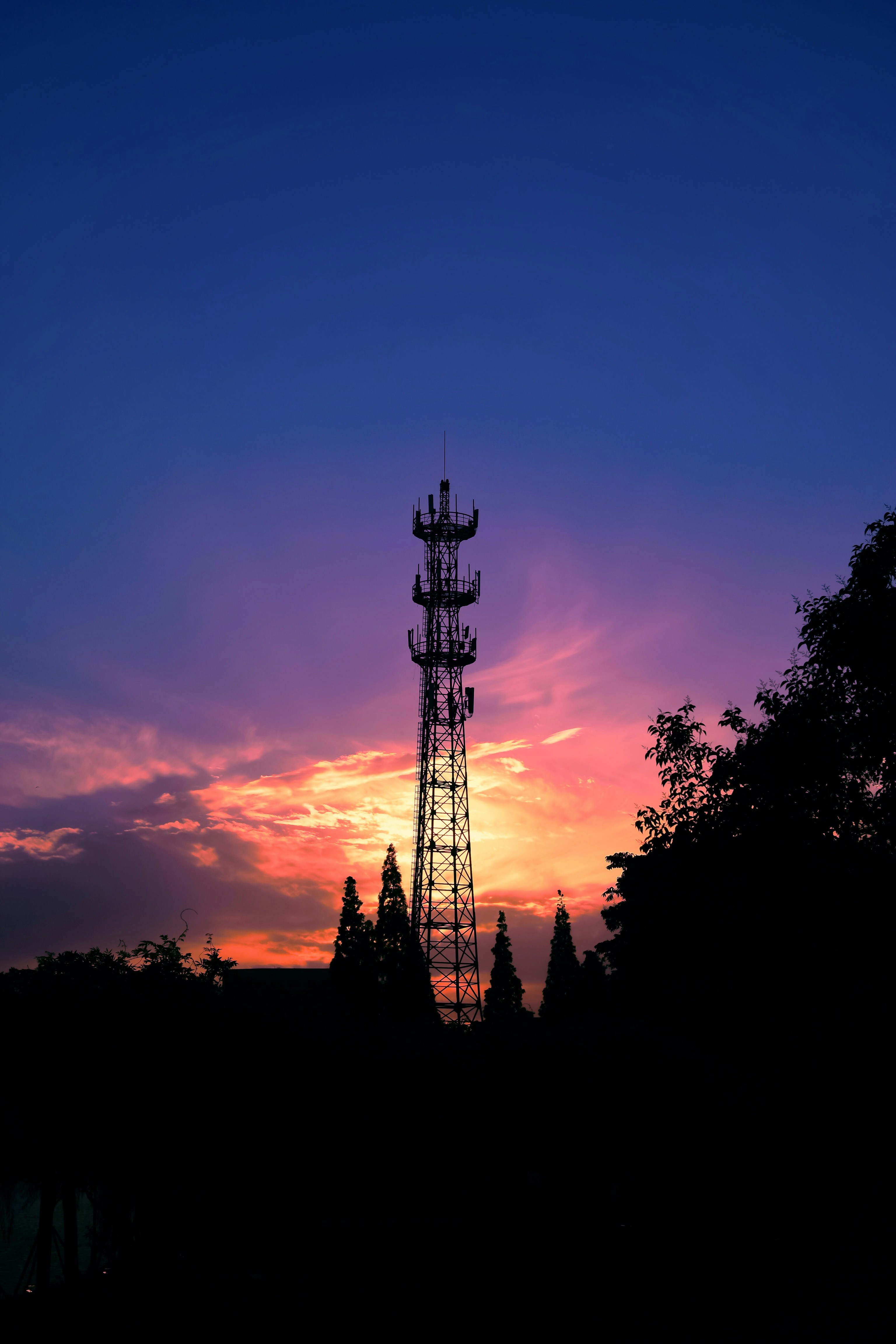
RAN = Radio Access Network. The radios, antennas, and baseband gear (cell sites) your phone talks to over the air.
The RAN connects your phone to the mobile core (real-time engine), which authenticates your SIM/eSIM and routes calls, texts, and data.
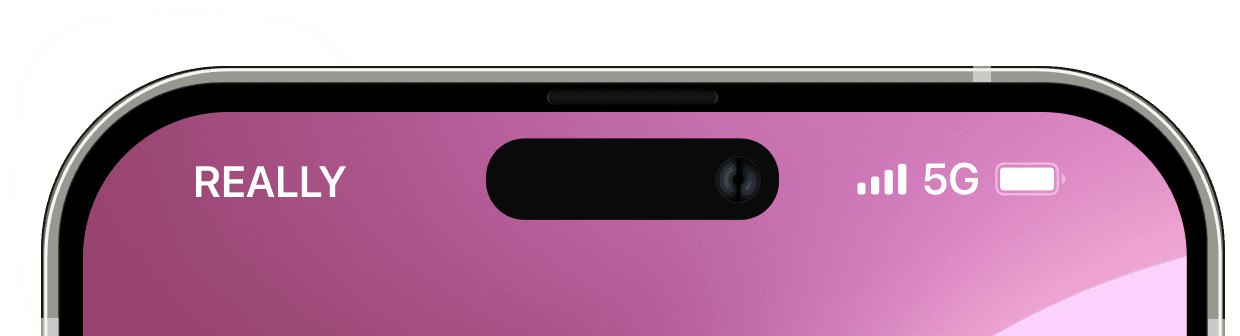
On REALLY, you use two RAN layers: the nationwide LTE/5G RAN from our roaming partner and REALLY DeWi (our own small cells/towers on spectrum we operate, including CBRS). Your phone automatically picks the best signal.
PrivateCore™ (how it fits): Our software layer governs sessions behind both RANs. On REALLY DeWi, the whole path stays inside PrivateCore™ for our strongest privacy stance (no PII, no subscriber-identity mapping, no centralized identity-linked archive). On the partner RAN, sessions are still enforced by PrivateCore™ without sharing any identity mapping.
The critic’s question
“What exactly is the RAN, and why should I care?”
Answer: The RAN is the part of the network you can “see”, the cell towers, big and small. It determines how strong your signal is and how much local capacity you get. Strong RAN + healthy backhaul = better speeds and reliability. Your traffic then flows to the mobile core (real-time engine), which enforces policy and routes it onward, under guardrails set by our OSS/BSS (the brain) inside PrivateCore™.
RAN 101 (plain English)
What it includes: Antennas/radios on towers or rooftops, indoor/outdoor small cells, and the baseband/compute that turns radio signals into data, plus high-speed backhaul to the core.
What it does: Handles the air interface—signal strength, handoffs as you move, and the first hop of your data path—then passes sessions to the mobile core.
What it isn’t: It’s not where plans or billing live (that’s OSS/BSS, the “brain”), and it’s not the policy/routing engine (that’s the mobile core).
How it works on REALLY
Nationwide RAN (primary reach): You get broad LTE/5G coverage across cities, suburbs, and highways—low-band for reach, mid-band for consistently fast everyday speed, and (where deployed) high-band hotspots.
REALLY DeWi RAN (local boost): Our own small cells/towers on spectrum we operate (including CBRS) connect to REALLY’s mobile core. These sites strengthen indoor signal and add local capacity where people actually need it.
PrivateCore™ behind both layers: Our anonymous signup & systems, OSS/BSS (the brain), and mobile core (real-time engine) govern sessions no matter which RAN you’re on. On DeWi, the entire path stays inside PrivateCore for our strongest privacy posture; on the partner RAN, PrivateCore still enforces policy without sharing any identity mapping.
Automatic selection: Your phone chooses the best available cell tower. As you move, it hands off between layers so you stay connected.
Why it matters to you
Signal & speed: Closer, cleaner radios = stronger signal and smoother performance.
Busy times: Extra local cells (DeWi) reduce stalls when a neighborhood or venue gets crowded.
Indoors: Shorter distance + smart placement help overcome brick, steel, and glass.
Privacy by design: PrivateCore means no PII, no subscriber-identity mapping, no centralized identity-linked archive—and no data monetization.
Honest limits
Honest limits
Physics apply: Buildings, terrain, and crowding affect every network.
Band mix varies by block: You won’t always have every band everywhere; your device picks the best available.
Device matters: Newer 5G modems with carrier aggregation take better advantage of the RAN.
Join the only carrier that makes privacy non-negotiable.