


Best Practices for Safeguarding Your Mobile Identity in a Connected World
Mobile identity stands at the center of daily life, making it a growing target for fraud and data exposure. As smartphones increasingly serve as digital passports, protecting personal credentials demands ongoing attention and practical security measures. This article outlines essential routines and technologies that help defend mobile identity in today’s constantly connected environment.
With the rising importance of smartphones and carrier accounts, attackers are targeting mobile identity through sophisticated techniques that threaten financial security and personal privacy, including how personal information may surface across the internet, from social profiles to public-facing pages such as Jewelry store name ideas. Mobile identity is more than just a device; it encompasses your phone number, SIM card, carrier login, device identifiers, authentication methods, and the data connected to these elements. Personal data can become vulnerable in everyday digital interactions, and understanding the risks inherent to mobile identity is critical for making informed choices that minimize exposure and safeguard sensitive accounts from evolving threats.
Examining Key Threats to Mobile Identity Security
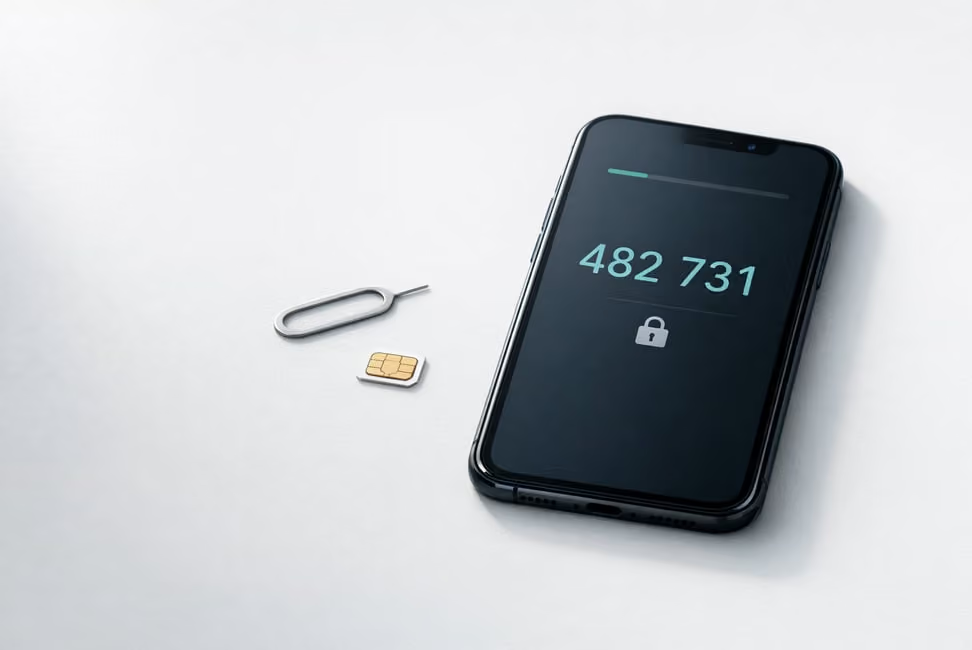
Mobile identity has become an attractive target for attackers focused on SIM swap fraud and number port-out schemes. These tactics involve convincing your carrier to transfer control of your phone number to a different SIM, potentially allowing impersonators to intercept calls, messages, and two-factor authentication codes.
Another widespread risk is account takeover, which often results from reused passwords or compromised email accounts. Malicious actors can exploit common password habits by using automated tools to breach multiple services, including carrier logins and sensitive apps.
One-time code interception also poses danger, where attackers manipulate weaknesses in SMS-based authentication to gain access to protected accounts. Verification bypass tactics, such as phishing for security codes or exploiting loopholes in app workflows, can further raise the stakes for mobile identity privacy.
Data brokers, mobile apps, and carriers can expose metadata about your location, contacts, and device usage. This level of data inference expands the ways personal profiles can be built, sometimes without explicit awareness, and raises questions about control over personal information.
Building a Strong Carrier Account Protection Strategy
Safeguarding carrier accounts starts by adopting unique credentials and using a password manager to handle complexity. Opting for strong account PINs and selecting lengthy passphrases offers resilience against guessing attacks or social engineering attempts that target wide-coverage carrier support lines.
Security questions should be approached carefully, as answers derived from public records or social media can make carrier accounts more susceptible to takeover. It is advisable to monitor carrier accounts for unexpected changes and ensure you receive alerts for SIM swaps or modifications to your profile information.
Implementing multiple layers of verification adds useful friction, providing backup in case one element fails or an attacker gains access. Avoiding recycled passwords reduces the effectiveness of credential stuffing and narrows available attack vectors.
Carrier-specific settings that enable notifications and limit certain self-service actions can further deter unauthorized access attempts, creating an additional barrier for would-be intruders.
Selecting and Managing Modern Authentication Methods
Choosing strong authentication methods is critical for reducing the risks associated with SMS-based verification. Authenticator apps and hardware security keys generate unique codes on your device or require physical presence, making them less vulnerable to remote interception.
Passkeys and device-bound authentication can replace traditional passwords, lowering the risk of phishing or unauthorized code access. These methods tie credentials to specific devices, offering increased security without relying on the transmission of one-time codes.
Planning for backup and recovery is equally important; having secure alternatives ready helps you avoid being locked out after device loss. It is vital to balance convenience and risk, ensuring that backup options do not inadvertently weaken the integrity of your mobile identity protection scheme.
Routine checks of recovery factors and prompt updating ensure that outdated information does not create gaps for attackers to exploit. Maintaining up-to-date authentication settings bolsters security across both accounts and devices.
Protecting Your SIM, Phone Number, and Device Privacy
Locking down your phone number with port-out protection and additional verification steps makes unauthorized transfers much harder. These carrier features are particularly important for anyone whose mobile number serves as a gateway to sensitive transactions or identity verification.
eSIM technology introduces new ways to transfer service between devices, increasing both flexibility and risk. Ensuring secondary verification for eSIM transfers can blunt attempts to hijack your account by moving the number to another device.
If service suddenly drops without warning, act quickly by checking with your carrier, resetting device connections, and verifying account activity for any suspicious changes. Early triage of service interruptions can prevent or limit the consequences of a SIM swap or related compromise.
Device-level settings, such as strong screen locks, biometric safeguards, and regular operating system updates, round out the core defenses against both physical and remote threats. Exercising care when granting app permissions and limiting access to contacts or location information strengthens device privacy and reduces unnecessary data sharing.
compare phone plans and save up to 80%


.svg)
.svg)

compare your carrier and save up to 63%


.svg)

.svg)

