


Does Using a VPN Lower Wi-Fi Speed?
Many people use a virtual private network (VPN) to browse the internet. Some use it to access websites blocked at their location, while others use it to stay safe on public WiFi.
But when browsing using a VPN, sometimes a website loads a little slower. Videos keep on buffering, and games show a higher ping.
So, a question comes to mind: Does using a VPN lower WiFi Speed?
A VPN does lower your WiFi speed. It reduces your internet speed because it encrypts your data and sends it through another server.
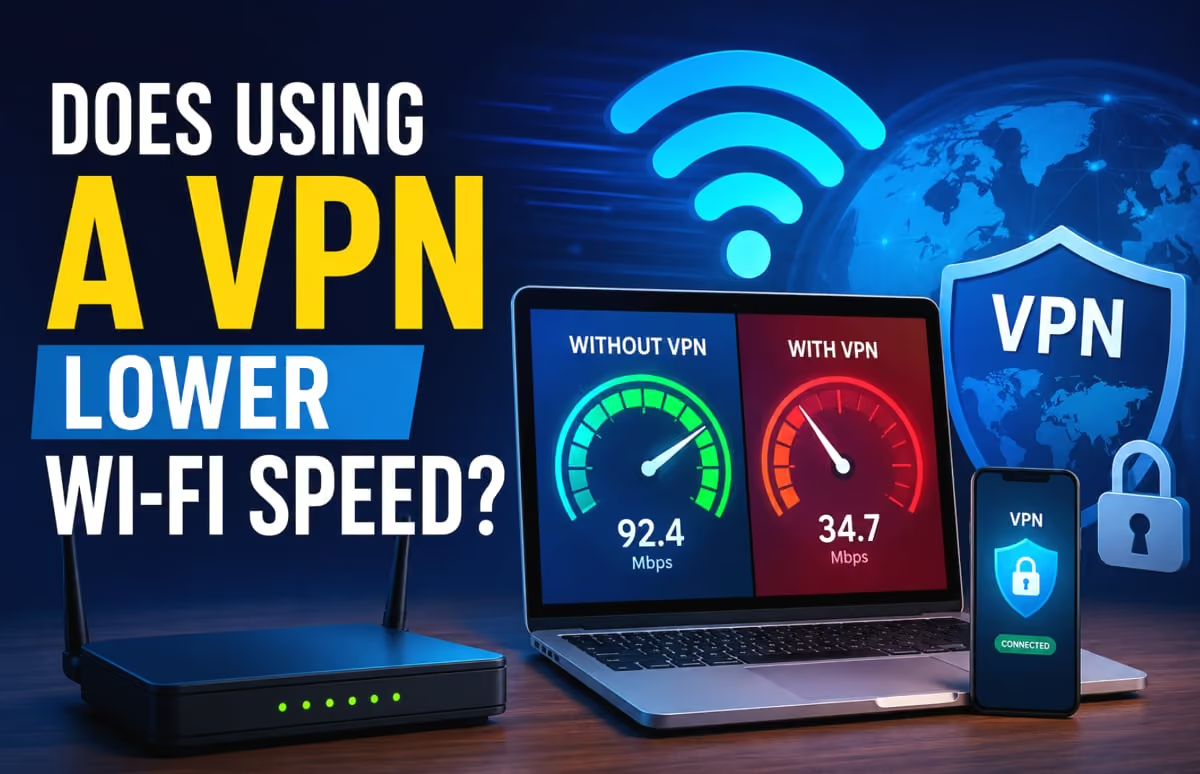
Does a VPN Actually Lower Wi-Fi Speed?
If you search for this query online, you will find two different opinions. Some say that VPNs reduce Wi-Fi speed, while others say they do not.
Let us clarify this.
A VPN does not directly change the speed of your WiFi network connectivity. Your WiFi is simply the wireless connection between your device and your router. A VPN works after your device connects to the internet.
Many people confuse WiFi connectivity speed with internet speed.
- WiFi connectivity speed is how fast your device talks to your router.
- WiFi Internet speed is how fast your data travels across the internet.
So when you connect to a VPN, your WiFi speed remains intact; however, your internet speed may be slower.
Why Does a VPN Slow Down Your Internet?
When a device connects to the internet via a VPN, data is encrypted, and the path of your internet traffic changes. Your public IP address also gets hidden, and you keep on browsing with a different IP address from the VPN service provider.
When browsing using a VPN, your WiFi internet speed slows down from normal. And here are the major reasons behind it.
Data Encryption
To protect your privacy, VPNs encrypt all of your internet traffic before leaving your device. This data encryption adds an extra step and takes time to process. As a result, the results return with a delay, and you experience a slow internet speed. Modern devices handle this well, so the delay is usually small.
Distance to the VPN Server
When you open a website on the internet, your data request first goes to the VPN server. Then the VPN server forwards that request to the website from their server and returns results to your device. If the server is in another country, your data travels farther. This often increases loading time.
Server Load & Traffic
VPN companies have many servers. If too many people use the same server, it becomes busy. A crowded server can reduce your connection speed.
Your Original Internet Speed
If your original internet speed is slow, you may notice a bigger difference after turning on a VPN. A fast internet connection usually hides small speed drops better.
Can a VPN Improve Your Internet Speed?
This may sound surprising, but YES, sometimes a VPN can make your internet feel faster. For example, when your connection is facing ISP throttling - a condition when your ISP slows down activities like:
- Video streaming
- Online gaming
- Large downloads
A VPN hides your traffic from your internet service provider. As a result, the provider may not slow down those activities. Some advanced VPNs also find a better route to a website, which can slightly improve performance. This does not happen every time, but it is possible.
How to Make Your VPN Faster?
Here are a few tips from networking experts to help you get a better internet experience with a VPN.
- Choose the closest server unless you need a location in another country.
- Many VPN apps let you choose different protocols. Try a newer protocol if your current one feels slow.
- Many VPN apps show server load. You should pick one with lower traffic.
- Use a paid VPN; they provide faster servers and better network performance compared to free ones.
How to Check If Your VPN Is Slowing Your Connection?
The easiest way is to compare your internet speed. So, run an online speed test with the VPN turned off.
Write down your:
- Download speed
- Upload speed
- Ping
Now, turn on your VPN and connect to your preferred server. Then, run the same WiFi internet speed test again.
A small drop in speed is normal. If the difference is very large, try another server or a different VPN protocol.
Sum Up
A VPN does not disrupt your WiFi internet speed; however, it does lower your internet speed. This is because the data is encrypted and the internet traffic route gets some extra steps involved. If you want to improve internet speed over VPN, use a trusted provider. Connect to the nearest server with less traffic. This way, you can enjoy strong privacy without giving up much speed.
compare phone plans and save up to 80%


.svg)
.svg)

compare your carrier and save up to 63%


.svg)

.svg)

