


Best Ways to Find Out Who Keeps Calling You
Unknown calls became a daily annoyance for many people. Some are harmless wrong numbers, but others are not that naive. We’re talking about robocalls, scam attempts, spoofed numbers, and aggressive telemarketers who repeatedly attempt to reach you. In 2026, spam calling tactics have become very convincing. Scammers often disguise themselves as banks, delivery services, healthcare providers, and local businesses. If I figure out how to check who called me, it’s easier to decide if I should answer, call back, or ignore.
There’s a solution. Modern caller ID services and reverse lookup tools make it easy to identify unknown numbers in seconds.
What Makes Reverse Lookup the Most Reliable Way to Identify Spam Callers
When you see an unfamiliar number on your screen, the first instinct is to search the number on Google or social media platforms. That may work… sometimes. But it’s not the fastest or most reliable method, since many spammers use temporary numbers and spoofed caller IDs that don’t leave any public info behind. Reverse phone directory lookup is the most effective way to investigate suspicious callers.
Instead of searching for a phone number by entering a person’s name, you do the opposite: enter the phone number into a database and get a name. The database scans public records, carrier information, spam reports, and other available sources of data. This helps you find the owner of a phone number in the most reliable way possible. Depending on the service, a reverse lookup tool may show you:
- The caller’s name
- Approximate location
- Mobile carrier information
- Spam or scam reports
- Related public reports
- Whether the number is linked to a business or VoIP provider
Let’s be honest: no lookup method is perfect. However, reverse searches are way more accurate than guessing. They give us a faster, safe way to identify unknown phone numbers before deciding if the call deserves attention.
Reverse Phone Lookup Tools Worth Trying
Some reverse lookup services mainly focus on spam detection, and others access broader public records that include addresses, social profiles, and carrier information. When wondering how to find out who called you, it’s best to use a tool that’s fast and gives you a mobile-friendly user experience, but can also access reliable databases.
What Makes a Good Reverse Lookup Tool?
- Large databases that are regularly updated
- Accurate caller ID services and spam reporting
- Quick search results for mobile users
- Free search features or trial access
- Mobile-friendly design for checks on the go
- Effective detection of spoofed or VoIP numbers
- Privacy-focused search options that don’t protect your own information
Based on those criteria, the following reverse lookup tools are the most recommended apps to block spam calls and identify unknown callers:
- Scannero
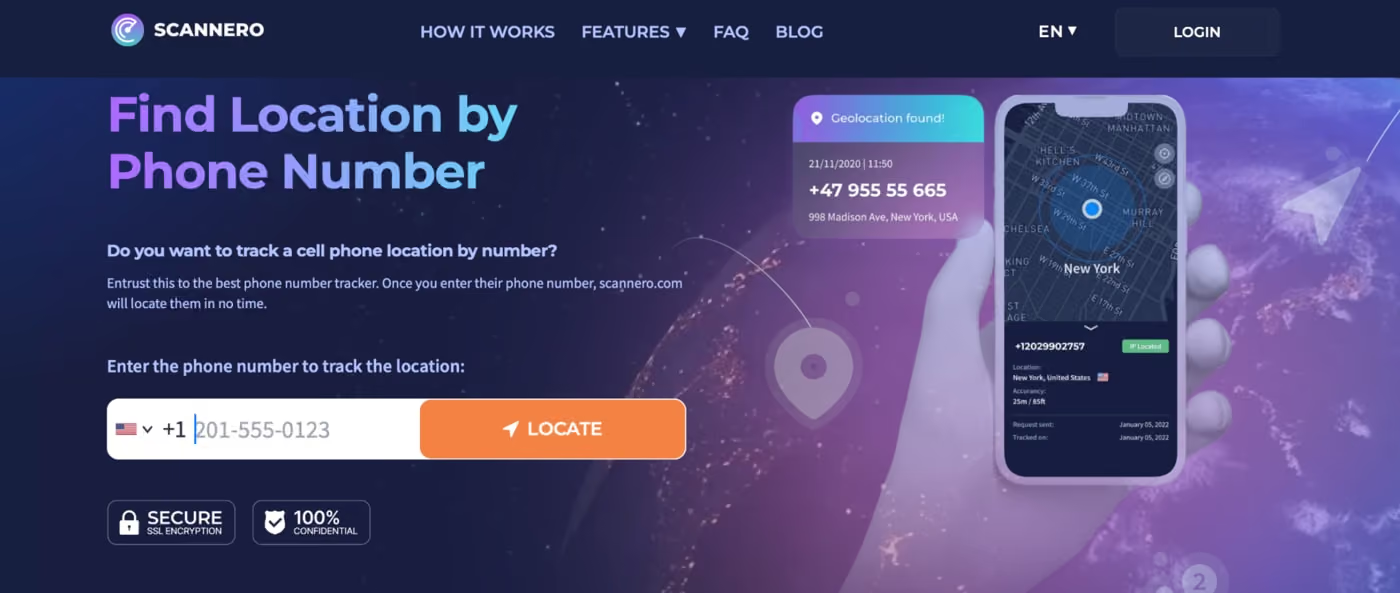
Scannero is a good fit for users who don’t want an overly complicated search tool. It can help you investigate suspicious calls, repeated unknown numbers, or possible spam directly from your mobile device.
The biggest advantage of this tool is its convenience for quick searches. You don’t have to browse through forums or manually search social media platforms. Scannero lets you check an unfamiliar number in seconds, so you can decide if the caller appears suspicious. That’s great for people who want to avoid unnecessary callbacks to risky numbers, as well as for those who receive repeated robocalls and late-night calls from unknown numbers. A 24-hour trial costs $0.89, and that’s great for quickly checking a suspicious call.
- Spokeo
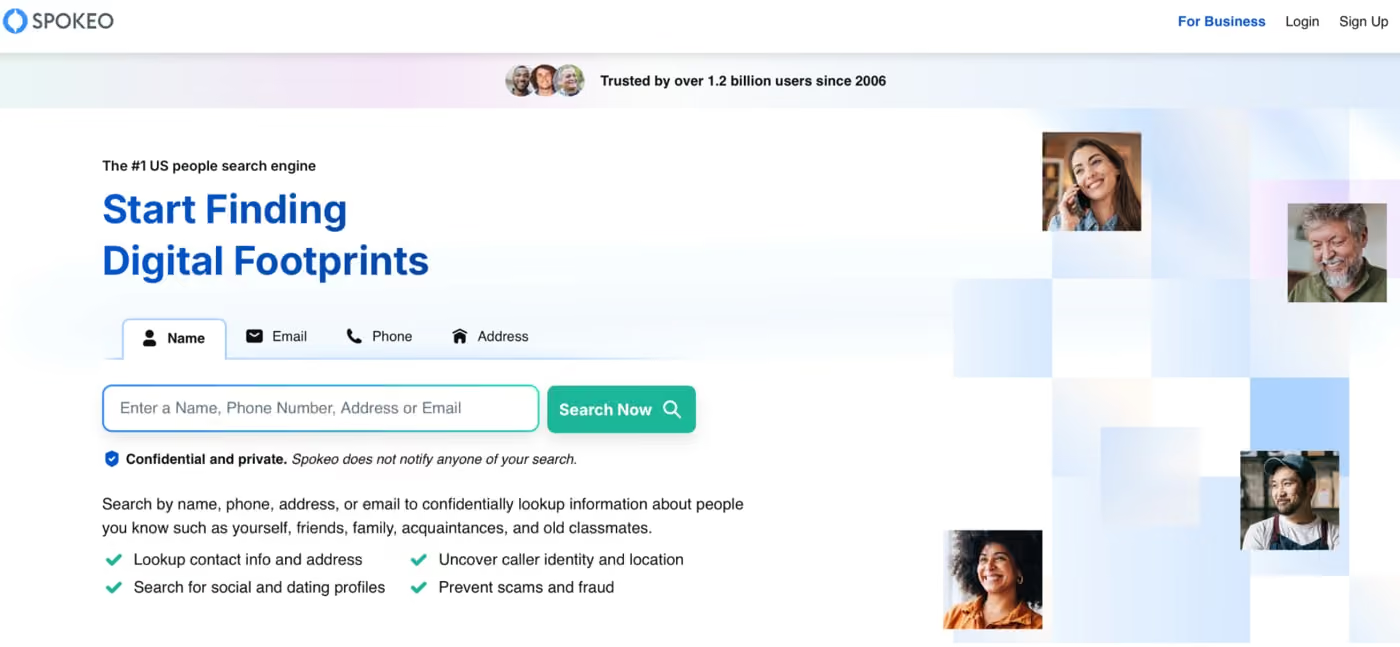
Spokeo combines phone searches with broader public information databases. The platform can help with phone number identification, but it may also give you details connected to addresses, social media profiles, and other publicly available records.
Spokeo is not the most user-friendly option, but it works well for people who occasionally need deeper search. However, some detailed reports require a paid subscription, and not every search returns complete details for mobile or recently created numbers.
- BeenVerified
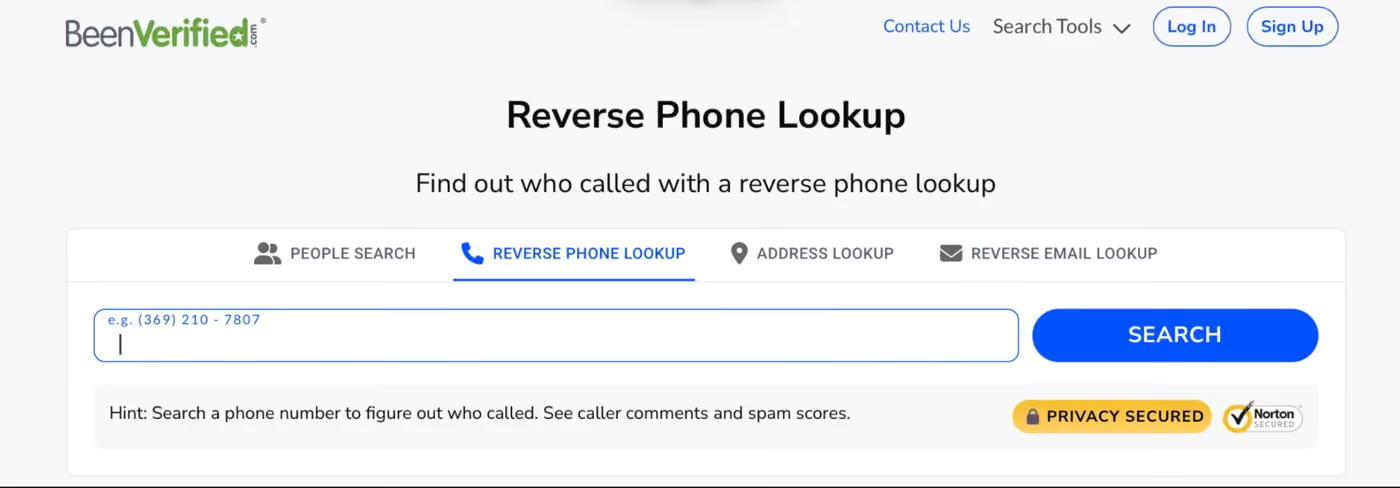
This tool combines reverse phone lookup technology with broader background search features. It can help you find the owner of a phone number, but it will also display related public records, addresses, and online profiles connected to the search results. That works for people who need more information than a basic caller ID check.
BeenVerified operates through a subscription model, which would be justified if you performed regular searches. It’s a bit too much for the occasional quick lookup (one-month membership costs $36.89).
- Intelius
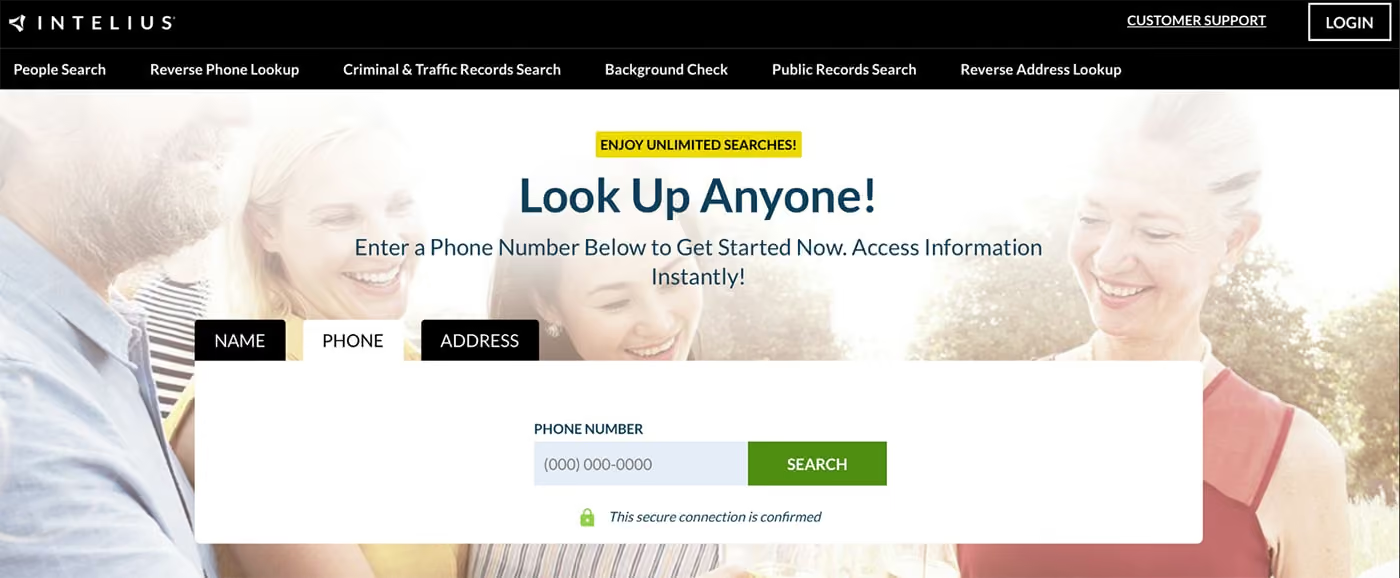
Intelius may find information on locations, aliases, or possible spam reports linked to unfamiliar numbers. The platform is a common choice for people trying to deal with persistent calls from unknown numbers.
Intelius is generally fast and mobile-friendly, but many advanced details require a payment. The 5-day trial version ($0.95) offers limited information, but it’s worth trying before you pay $21.35 for a monthly subscription.
- Whitepages
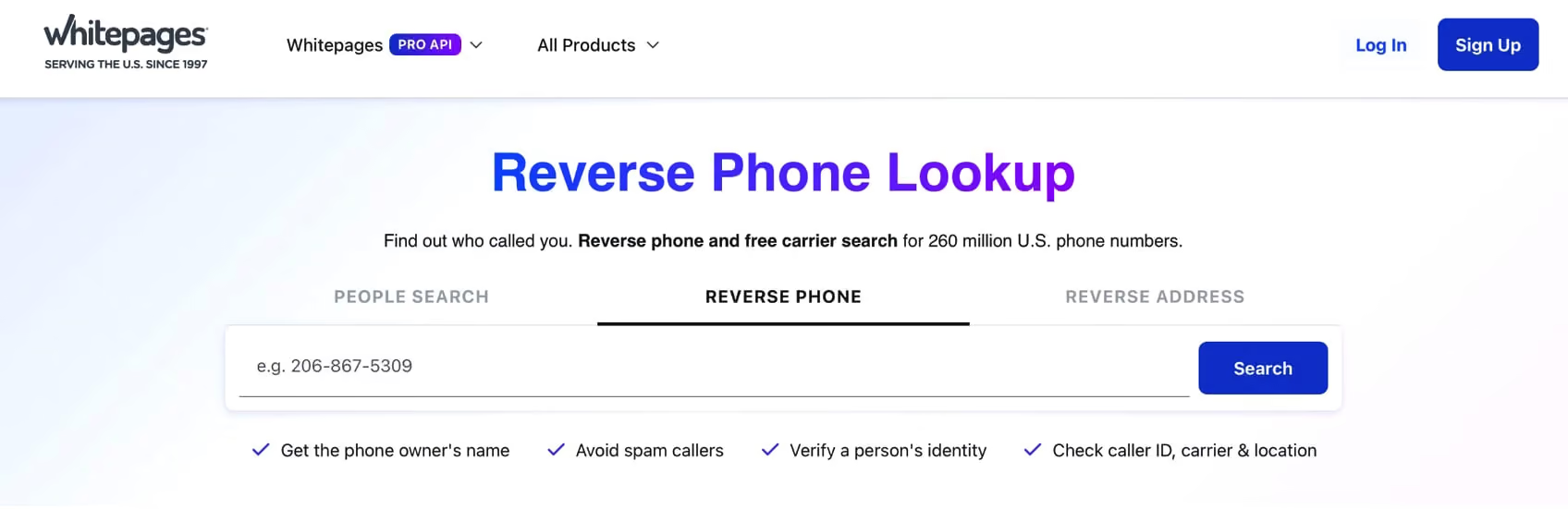
This is one of the oldest reverse phone directory lookup tools. When you enter an unfamiliar number, it will give you basic caller information, such as potential names, location, and spam-related warnings.
Whitepages is useful for simple caller identification, and it’s the best place to start. But if you want a more detailed report and background information, it will be locked behind paid features.
How These Tools Compare
Let’s compare the main features side by side, so you can choose the right option for your situation.
When to Report Persistent Callers
Now that you know how to trace a phone call, the next question is: what do you do with that information? In these situations, it’s best to report the suspicious call directly to the FTC through the National Do Not Call Registry:
- If they repeatedly contact you through spoofed numbers
- If they threaten you, request sensitive information
- If they continue calling after being blocked
- Scam calls pretending to be banks, government agencies, healthcare providers, or delivery companies
Reverse Phone Lookup Tips: How to Stop Unwanted Calls Going Forward
- Register your number with the National Do Not Call Registry
This won’t completely stop scammers or spoofed numbers. However, it’s a very effective tool if you want to reduce legitimate telemarketing calls.
- Use built-in smartphone spam filters
iPhone and Android devices include call filtering and spam detection features. If you’re wondering how to block unknown callers in the simplest way possible, that’s your answer.
- Check unfamiliar numbers before calling back
Don’t return an unknown number’s call immediately. It’s best to perform reverse phone lookup, so you’ll avoid scams connected to spoofed caller IDs.
- Never share information with suspicious callers
If the caller pressures you for personal or financial information, end the call and report the number through your carrier or spam reporting tools.
Unknown callers aren’t an occasional occurrence anymore. Many scam campaigns rely on spoofed local numbers and convincing impersonation tactics. Using reverse lookup tools together with spam blocking features makes it easier to identify suspicious calls and avoid responding to the wrong number.
compare phone plans and save up to 80%


.svg)
.svg)

compare your carrier and save up to 63%


.svg)

.svg)

