


The Essentials for Building a Home-Based Tech Startup
Today’s business landscape offers endless opportunities for just about anyone looking to build their tech brands. For the most part, you won’t need much to get started, so long as you have a great idea in mind. The only challenge is knowing how to translate this idea into tangible materials so you can start selling innovative products and attracting potential investors. The road ahead, however, isn’t so straightforward.
You may enjoy greater convenience if you build your business in your living room, but it pays to be prepared for the more technical and costlier aspects of forming a startup. Knowing how to put together the essential pieces will put you on the right track. It all begins with doubling down on a few key principles. Here’s a quick guide to help you get started.
1. Focus on a Single Sector or Niche
When forming a startup, it’s important to narrow down your target market into a single sub-sector where there’s less competition and a greater need for the solutions you’re selling. As you form your initial business plan, determine the kind of people who need your product or service.
Consider their pain points and identify existing brands that fall short of addressing the problems that your target market wants to solve. Extensive market research is crucial, so spend as much time as you need on niches where your solutions are guaranteed to gain traction. This will help you maximize the time, money, and effort you put into marketing.
2. Develop a Growth Plan
Building a startup concept doesn’t just involve setting tangible short-term and long-term goals. Much of it involves identifying the activities necessary to grow your brand. Your business plan should also include specific approaches for fueling growth, whether these involve pitching to angel investors or expanding to markets across borders.
Map out the kind of trajectory you want your startup to follow and set realistic deadlines for reaching individual milestones. It also pays to look ahead while you assess the current tech landscape for threats and opportunities. Pay attention to trends that could potentially catch on in the next five or seven years.
3. Create a Conducive Home Office
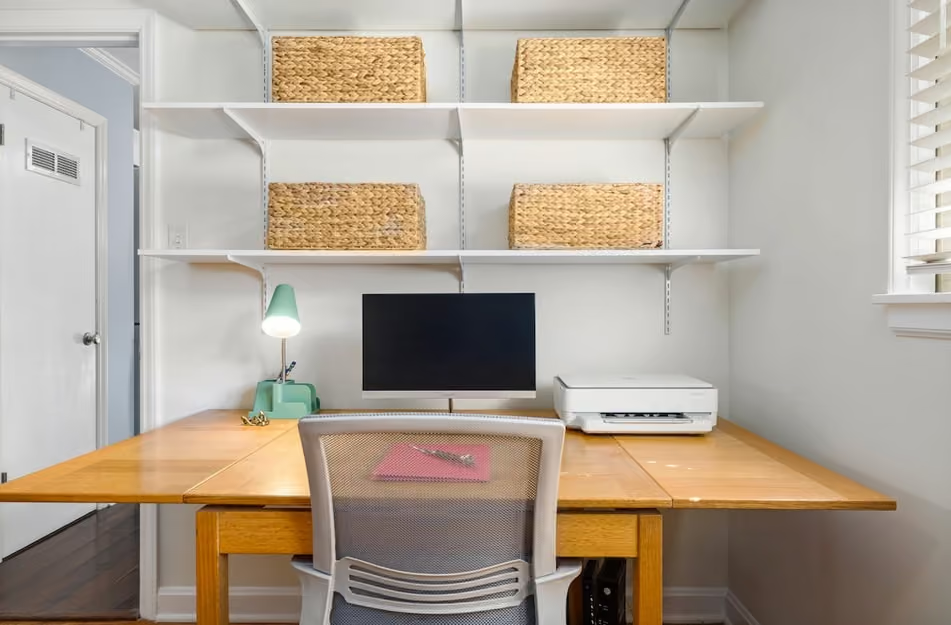
Any startup founder can make do with the hardware and physical environment they currently have, but it makes all the difference to build a dedicated home office. If you’re building a small team that needs to work on-site, you need a workspace that’s large enough to house servers and other hardware.
You can always move into a larger property with the help of a local moving and storage service and build your startup from there. It’s also important to choose a neighborhood that has a favorable regulatory climate, since some jurisdictions require sales tax permits and other documentation. Whichever the case, choose a home office environment that aligns with your startup’s needs and goals.
4. Recruit the Right People
You may have been comfortable managing and operating your startup by yourself. However, as new users or clients come in, you will be hard-pressed to find quality support from the right specialists. You will need a digital marketing coordinator to help you grow your online presence and an HR manager if you’re looking to add more people to the team.
Hiring locally would be the most practical way if you want people who can work onsite and if you prefer managing individual members, but you can also choose to recruit global freelancers for administrative and creative tasks. This option lets you save office space and money as you’re not mandated to additional compensation and benefits.
Endnote
Even if you have all the right elements in place, it would still take a long time before you see the returns flowing in. Still, keep these in mind and build your startup on the right foundation.
compare phone plans and save up to 80%


.svg)
.svg)

compare your carrier and save up to 63%


.svg)

.svg)

